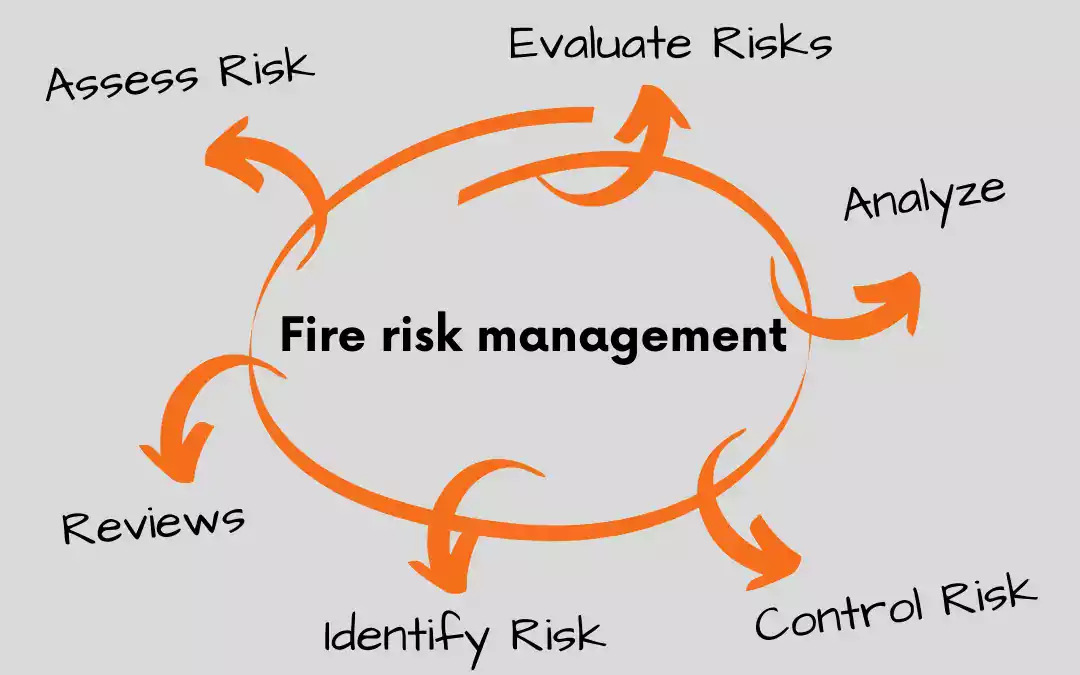
Fire risk assessment training is a crucial element of effective fire safety management. While fire risk assessments are often seen as a compliance requirement, proper training ensures that they are conducted accurately, implemented effectively, and reviewed regularly. Without adequate training, even well-documented fire risk assessments may fail to protect people and property.
Understanding Fire Risk Assessment Training
Fire risk assessment training equips individuals with the knowledge and skills required to identify fire hazards, evaluate risks, and apply suitable control measures. It covers both theoretical understanding and practical application, enabling participants to recognize fire risks in real-world environments.
Training ensures that responsible persons, safety officers, and staff understand their roles and responsibilities in managing fire safety.
Improving Hazard Identification and Risk Awareness
One of the key reasons fire risk assessment training matters is its impact on hazard identification. Trained individuals are better able to recognize ignition sources, combustible materials, and conditions that increase fire risk.
Training improves awareness of less obvious hazards, such as poor housekeeping, overloaded electrical systems, or blocked escape routes. This leads to more thorough and accurate fire risk assessments.
Ensuring Legal Compliance and Accountability
Fire safety legislation requires fire risk assessments to be carried out by competent persons. Training helps demonstrate competence and ensures that assessments meet legal standards.
Organizations that invest in fire risk assessment training reduce the risk of non-compliance, enforcement action, and legal penalties. Trained staff are more confident in meeting regulatory expectations and maintaining proper documentation.
See also: Privacy Risks of Smart Homes
Enhancing Workplace Safety and Fire Prevention
Fire risk assessment training contributes directly to workplace safety. By understanding how fires start and spread, trained individuals can implement preventive measures that reduce the likelihood of incidents.
Training encourages proactive fire prevention, such as regular equipment maintenance, safe storage practices, and improved housekeeping. This proactive approach minimizes disruptions and enhances overall safety.
Supporting Effective Emergency Planning
Emergency planning is a core part of fire risk assessment, and training plays a vital role in this area. Trained individuals can develop realistic evacuation plans that consider building layout, occupancy levels, and vulnerable individuals.
Fire risk assessment training ensures that emergency procedures are practical, clearly communicated, and regularly tested through drills. This improves response times and reduces confusion during emergencies.
Empowering Staff and Building a Safety Culture
Training empowers staff by giving them confidence and clarity about fire safety responsibilities. When employees understand fire risks and control measures, they are more likely to follow procedures and report hazards.
A well-trained workforce supports a strong safety culture where fire safety is taken seriously at all levels. This shared responsibility enhances long-term risk management.
Reducing Business Disruption and Financial Loss
Fires can cause significant financial loss, operational downtime, and reputational damage. Fire risk assessment training helps organizations prevent incidents and reduce their impact.
By improving early detection, response, and control, training supports business continuity and protects assets. This makes training a valuable investment rather than a cost.
Adapting to Changing Risks and Environments
Workplaces constantly evolve due to new equipment, layout changes, and operational growth. Fire risk assessment training enables individuals to adapt assessments to changing conditions.
Trained assessors are better prepared to review and update fire risk assessments when changes occur, ensuring ongoing effectiveness.
Who Should Receive Fire Risk Assessment Training
Fire risk assessment training is valuable for responsible persons, managers, safety officers, and anyone involved in fire safety management. In smaller organizations, owners or supervisors may benefit from training to carry out assessments in-house.
Even employees who are not directly responsible for assessments benefit from basic fire safety awareness training.
Conclusion
Fire risk assessment training matters because it transforms fire safety from a paperwork exercise into an effective risk management process. Training improves hazard identification, ensures legal compliance, supports emergency planning, and builds a strong safety culture. By investing in fire risk assessment training, organizations protect lives, safeguard property, and strengthen their overall approach to fire safety.