The integration of smart home technology has transformed everyday living, yet it introduces substantial privacy risks. Connected devices continuously collect and transmit personal data, creating vulnerabilities for users. Unauthorized access to this information can lead to identity theft and invasive surveillance. Recent incidents underscore the urgency of addressing these concerns. Understanding the nuances of these risks becomes imperative as one navigates the complexities of modern technology. What measures can effectively safeguard personal privacy in this landscape?
Understanding Smart Home Technology
As smart home technology continues to evolve, its integration into everyday life raises important questions regarding user privacy and data security.
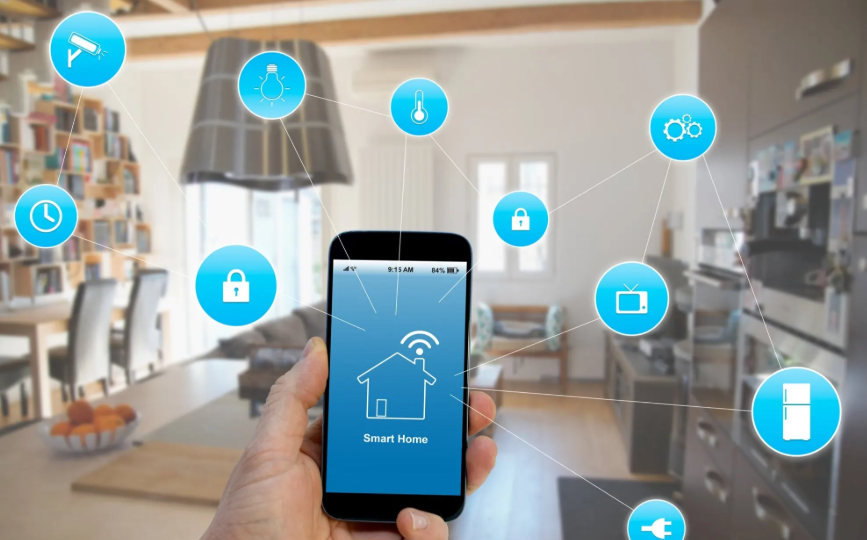
Smart devices and home automation systems collect vast amounts of data, enhancing convenience but also creating potential vulnerabilities.
Users must navigate the balance between the benefits of automation and the risks associated with data sharing, emphasizing the need for informed choices in a connected environment.
Common Privacy Threats in Smart Homes
What are the primary privacy threats posed by smart home technologies?
Key concerns include extensive data collection, where devices continuously gather personal information, and device vulnerabilities that can be exploited by malicious actors.
These threats compromise user autonomy and confidentiality, leading to unauthorized access and potential misuse of sensitive data.
Awareness of these risks is essential for maintaining privacy in increasingly connected living environments.
Real-Life Examples of Privacy Breaches
How can seemingly innocuous smart home devices lead to significant privacy breaches? Numerous incidents illustrate this vulnerability, such as unauthorized access to security cameras and data leaks from voice-activated assistants.
These breaches expose sensitive information, often resulting in identity theft or unwarranted surveillance. As users increasingly rely on interconnected devices, the potential for exploitation grows, underscoring the importance of vigilance in safeguarding personal data.
Best Practices for Protecting Your Privacy
Three essential best practices can significantly enhance privacy protection for smart home users.
Firstly, implementing robust data encryption ensures that personal information remains secure during transmission.
Secondly, rigorous device authentication mechanisms prevent unauthorized access, safeguarding the network integrity.
Finally, users should regularly update firmware and software to mitigate vulnerabilities, thereby fostering a resilient smart home environment that prioritizes individual privacy and autonomy.
Conclusion
In conclusion, while smart homes offer unparalleled convenience and efficiency, they equally introduce significant privacy risks that cannot be overlooked. Users must recognize the potential for unauthorized access, understand the implications of data collection, and appreciate the importance of proactive measures. By adopting best practices, remaining vigilant, and prioritizing privacy, individuals can navigate the complexities of smart technology, safeguard their personal information, and ensure that the benefits of smart living do not come at the expense of their security.